O2 switches on O2 Satellite: benefits for rural areas and mobile not spots
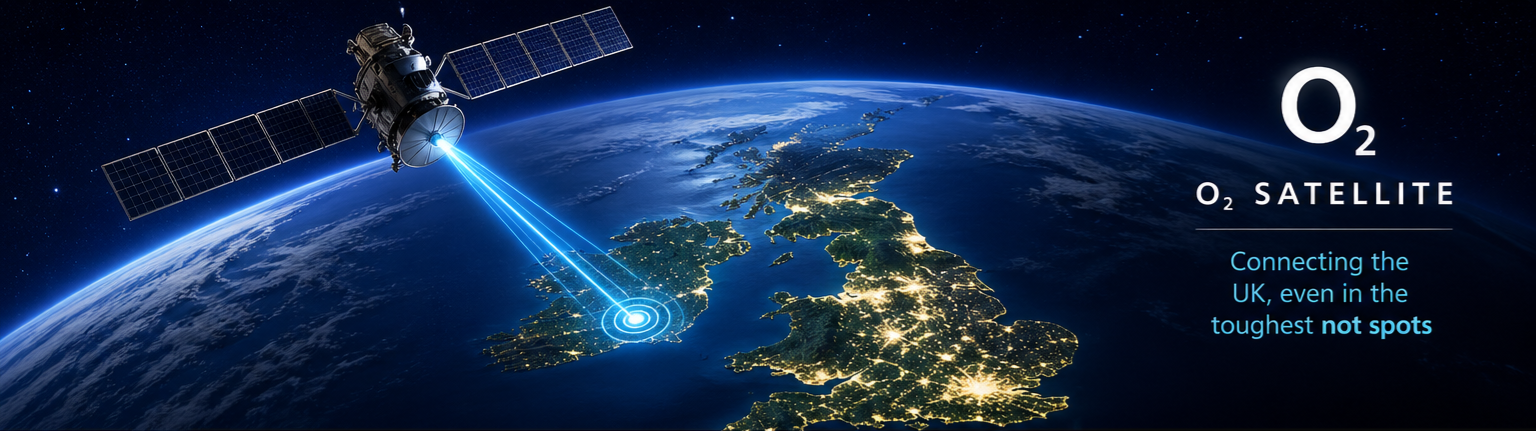

Virgin Media O2 has switched on O2 Satellite, a major step forward in helping improve mobile coverage across rural parts of the UK and areas traditionally affected by poor or no signal.
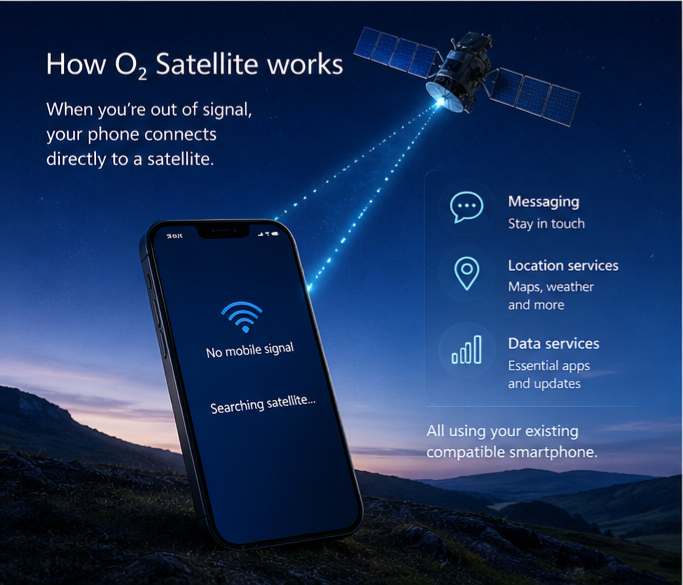
O2 Satellite is designed to help mobile users stay connected when they are outside normal mobile network coverage. Instead of relying only on traditional mobile masts, compatible devices can connect using satellite technology where terrestrial signal is unavailable.
This is particularly important for rural communities, remote workers, farms, logistics teams, construction sites, coastal areas and anyone travelling through known mobile “not spots”.
Reliable mobile signal is no longer a luxury. For many businesses, it is essential for communication, safety, navigation, payments, job management systems and customer service.
In rural areas, weak or unavailable signal can cause delays, missed calls, failed messages and operational disruption. Satellite-enabled mobile coverage helps reduce those gaps and gives users a better chance of staying connected when they need it most.

O2 Satellite helps extend connectivity into areas where traditional mast coverage may not reach, supporting people and businesses in harder-to-serve locations.
For areas with little or no mobile signal, satellite connectivity can provide an additional layer of coverage and resilience.
For field engineers, agricultural workers, delivery drivers and lone workers, the ability to stay connected in remote locations can be vital.
Businesses operating across rural sites can benefit from improved communication, helping reduce downtime and missed updates.
Satellite connectivity can help support locations where fibre, fixed broadband or mobile mast infrastructure is limited or unavailable.
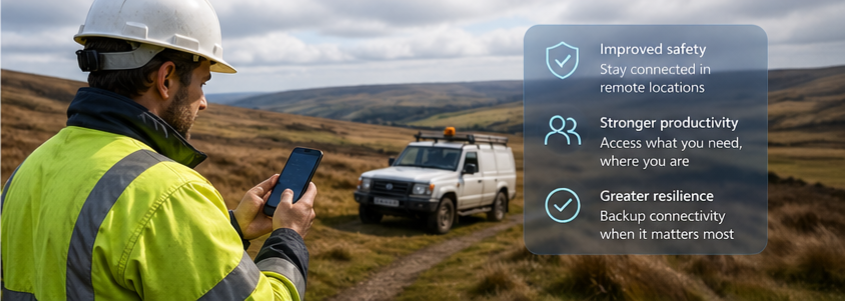
For business users, O2 Satellite represents more than just improved mobile signal. It is part of a wider move towards more resilient connectivity, combining mobile networks, broadband, satellite and cloud-based communications.
As the technology develops, businesses will have more options for staying connected in locations that were previously difficult or expensive to serve.